
what is an iptv ?
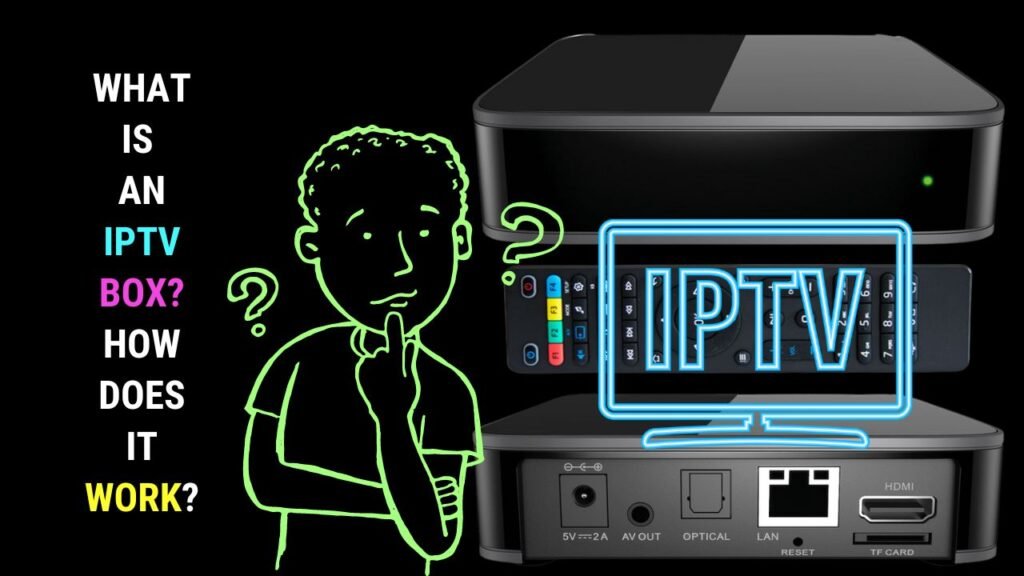
Blog Post: What Is an IPTV? Complete Guide
Introduction
With the rise of streaming and digital media, IPTV has become a popular term among TV viewers, tech enthusiasts, and content providers. But many people ask: What is an IPTV, and how does it differ from traditional television? In this comprehensive guide, we’ll explore IPTV, its workings, types, advantages, disadvantages, legal aspects, and future trends.what is an IPTV
What Is an IPTV?
IPTV stands for Internet Protocol Television. It is a system that delivers television content over internet networks rather than traditional formats like cable, satellite, or terrestrial broadcast. Unlike general online streaming, IPTV is usually delivered through managed networks, allowing for higher reliability and better quality control.what is an IPTV
Instead of broadcasting signals over the air or through coaxial cables, IPTV sends data packets over IP networks. The technology enables live TV, video-on-demand (VOD), and interactive television services.what is an IPTV
How Does IPTV Work?
IPTV works by sending digital video content over internet protocols. Here’s a breakdown of its key components:
Content Source & Encoding
TV channels or video content are digitized and compressed using codecs like H.264 or H.265 to save bandwidth.
Content Delivery Network (CDN)
Streams are delivered over IP networks, either through unicast (one-to-one) for VOD or multicast (one-to-many) for live TV.
Middleware / Control System
Middleware manages content, subscriptions, authentication, and guides users with EPG (Electronic Program Guide).
User Devices
IPTV can be accessed via set-top boxes, smart TVs, computers, tablets, and smartphones.
Devices decode the video stream and display it for viewers.
Network Infrastructure
IPTV often uses managed networks to maintain quality, reduce latency, and ensure smooth streaming.
Types of IPTV Services
Live IPTV
Streaming of live television channels, similar to traditional broadcast TV.
Time-Shifted TV
Enables users to watch programs after they have aired. Includes “catch-up” TV and “start-over” TV features.
Video on Demand (VOD)
Users select and watch videos from a library of pre-recorded content at their convenience.
Interactive IPTV
Allows interactivity such as voting, quizzes, on-screen apps, and integration with other services.what is an IPTV
Advantages of IPTV
High Quality: IPTV can deliver HD and 4K content over managed networks.
Interactivity: Pause, rewind, and restart live TV; interactive apps and EPG.
Flexibility: Access on multiple devices, anytime.
Bandwidth Efficiency: Multicast for live TV and unicast for VOD reduces unnecessary data load.
Bundled Services: Often offered together with internet and phone services.
Disadvantages & Challenges
Internet Dependence: Requires a fast, stable connection.
Latency: Channel switching may take longer than traditional TV.
Setup Complexity: Installation of set-top boxes or apps can be tricky for some users.
Content Licensing: Unlicensed IPTV services are illegal and risky.
IPTV vs Traditional Cable or Satellite TV
| Feature | IPTV | Cable/Satellite TV |
|---|---|---|
| Delivery | Over IP networks | Coaxial, satellite |
| Interactivity | High (VOD, pause, rewind) | Limited |
| Devices | Smart TVs, set-top boxes, mobile | TV with box or satellite dish |
| Bandwidth | Efficient via multicast/unicast | Fixed distribution |
| Scalability | Easy to scale | Infrastructure-heavy |
Is IPTV Legal?
Yes, IPTV technology is legal. Legal concerns arise if the IPTV service streams unlicensed or pirated content. Using licensed IPTV providers ensures compliance with copyright laws.what is an IPTV
Real-World Applications
Telecom Providers: Deliver TV over managed IP networks (triple-play services).
OTT Services: Streaming platforms use IPTV-like technology for on-demand and live content.
Corporate Networks: Internal video broadcasting for training or communication.
Future of IPTV
Improved compression and codecs (H.265/HEVC).
5G adoption for mobile IPTV streaming.
Hybrid IPTV + OTT services.
Personalized, interactive, and AI-driven recommendations.
Tips for Choosing IPTV
Choose licensed providers.
Ensure high-speed internet connection.
Use secure, updated devices.
Check subscription plans and content availability.
Conclusion
IPTV revolutionizes television by delivering content over internet protocols instead of traditional broadcasting methods. With features like live streaming, VOD, and interactive services, IPTV offers flexibility, quality, and convenience — but requires reliable internet and awareness of licensing issues. Choosing a reputable IPTV provider ensures a safe and high-quality viewing experience.what is an IPTV