
what is iptv tv ?
What Is IPTV TV? A Complete Guide
Introduction
In a world where streaming has become the dominant way people consume video content, IPTV TV has emerged as a powerful and flexible technology. But what exactly is IPTV TV, and how does it differ from traditional television or other streaming services? In this guide, we’ll break down everything you need to know: the definition of IPTV, how it works, its different types, advantages and disadvantages, legal considerations, and real-world use cases. what is iptv tv ?
What Is IPTV TV?
IPTV, or Internet Protocol Television, is a system that delivers television content over Internet Protocol (IP) networks instead of via traditional formats like satellite, cable, or terrestrial broadcast. what is iptv tv ?
Unlike standard “internet TV” or web streaming, IPTV is often offered over managed networks by telecom providers, which helps ensure better quality and reliability.what is iptv tv ?
In practical terms, when you use IPTV, your TV channels, movies, or video-on-demand (VOD) content are sent to you in data packets — just like any internet traffic — but optimized for real-time viewing. what is iptv tv ?
How Does IPTV Work?
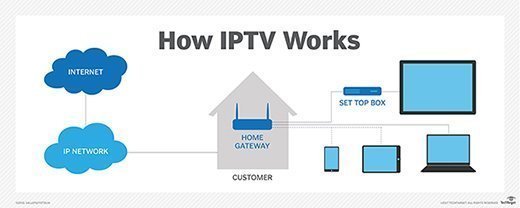
To really understand IPTV TV, it helps to grasp how the technology functions behind the scenes. Here are the key components and how they interact:
Content Encoding & Compression
Video sources (live TV, VOD libraries) are encoded into digital formats.
Modern IPTV systems use efficient codecs like H.264 or H.265 to reduce bandwidth usage.
- what is iptv tv ?
Delivery Methods
Multicast: Used for live TV broadcasts; same stream goes to many users.
Unicast: Used for VOD (Video on Demand) — stream is delivered individually to each user. Common streaming protocols include IGMP for multicast, RTSP or HTTP-based protocols for VOD.
- what is iptv tv ?
Middleware / Control
IPTV uses “middleware” — software that sits between the content servers and the user’s device.
The middleware handles user authentication, subscription management, channel guides (EPG), and more. what is iptv tv ?
Network Type
Many IPTV services run over managed networks (like those run by telcos), which helps guarantee quality of service (QoS).
In some hybrid models, IPTV can combine managed delivery with over-the-top (OTT) components (using the open internet). User Devices
To consume IPTV, you typically need:
A set-top box that decodes IP video streams
Or a smart TV, smartphone, tablet, or PC with IPTV-compatible apps
The device connects to the IPTV server, receives the data packets, decodes them, and displays video.
- what is iptv tv ?
Types of IPTV Services
IPTV isn’t just one thing — there are different “flavors” of services, each suited for different user needs. Here are the main categories:
Live IPTV
Real-time streaming of TV channels (just like live TV).
Often delivered via multicast to many viewers simultaneously.
Includes news, sports, and live events.
what is iptv tv ?
Time-Shifted or “Catch-Up” TV
Allows viewers to watch programs after they have aired.
Includes “catch-up TV” (rewind a show from earlier) or “start-over TV” (restart a current live show from beginning). what is iptv tv ?
Video on Demand (VOD)
A catalog of movies, TV shows, and other pre-recorded content.
Users choose what to watch, when to watch — similar to Netflix or other streaming platforms.
Interactive IPTV
Some IPTV services support interactions: voting, quizzes, targeted ads, or “video + data” services.
Integration with other services: VoIP, internet, or apps — depending on the provider.what is iptv tv ?
Advantages of IPTV TV
Why do people choose IPTV over traditional TV? Here are several compelling benefits:
Quality and Reliability
Managed networks can guarantee a certain quality of service (QoS), reducing buffering and latency.
With the right infrastructure, you can get HD or even 4K over IP.
Interactivity
Pause, rewind, or restart live TV.
Browse a program guide (EPG), set reminders, or interact with content.
Potential to integrate with voice services, apps, or other IP services.
Flexibility
Watch on different devices: set-top boxes, smart TVs, phones, tablets.
Access both live content and on-demand libraries.
Efficient Use of Bandwidth
Unicast delivers only what you request (for VOD), rather than broadcasting everything to everyone.
Multicast for live TV is efficient when many users watch the same stream.
Bundling with Other Services
Many ISPs bundle IPTV with internet and phone: “Triple Play” (Internet + TV + Voice). Some even offer “Quadruple Play” (adding mobile services).
Scalability and Control
Providers can scale more easily, manage subscriptions, and control traffic on their networks.
They can also push updates, interface improvements, or new features through the middleware.
Disadvantages & Challenges of IPTV
Despite its many advantages, IPTV also comes with its own set of challenges:
Internet Dependence
IPTV relies heavily on internet quality. If your connection is slow or unstable, your viewing experience suffers.
Network congestion or ISP issues can degrade performance.
Bandwidth Requirements
Streaming HD or 4K IPTV requires a robust and fast internet connection.
For multicast live streams, providers need to carefully manage network resources.what is iptv tv
Latency / Channel Switching Delay
Changing channels in IPTV can sometimes be slower than traditional broadcast TV because the stream must be re-established.
Technical workarounds like time-shifted streams or smart reordering help, but it remains a challenge.what is iptv tv
Infrastructure Cost
For providers, setting up IPTV servers, middleware, and delivery networks (CDNs) is expensive.
Requires maintenance, updates, and constant monitoring to ensure quality.what is iptv tv ?
Complexity
IPTV setups (set-top boxes, apps) can be more technically complex than “plug in your cable box.”
Users may need to navigate installation, firmware, and software updates.what is iptv tv ?
Legal & Licensing
As with any TV service, IPTV providers need licensing agreements for the content they stream.
Unauthorized or “pirate” IPTV services can lead to copyright issues.
Users need to choose reputable, licensed IPTV providers.
IPTV vs Traditional Cable / Satellite TV
| Feature | IPTV TV | Traditional Cable / Satellite |
|---|---|---|
| Delivery | Over IP networks (internet) | Broadcast, satellite, or coaxial cable |
| Quality Control | Managed networks → better QoS possible | Dependent on signal strength, weather (satellite) |
| Interactivity | High: VOD, pause, rewind, EPG, interactive apps | Limited interactivity, mostly linear programming |
| Device Support | Flexible: smart TVs, set-top boxes, mobile devices | TV set, satellite or cable box |
| Scalability | Can scale via unicast/multicast, CDNs | Infrastructure-intensive, fixed distribution |
| Cost Structure | Can bundle with internet & phone; pay for what you use.what is iptv tv ? | Fixed fees, channel packages, installation costs |
| Latency / Switching | Potential for delay on channel switching | Generally instant channel switching |
Is IPTV TV Legal?
Yes — IPTV as a technology is perfectly legal.
What matters legally is how the content is sourced and whether the IPTV provider has the correct licenses for the channels and programs they offer.
Licensed IPTV providers (e.g., telecoms or ISPs) often operate on closed, managed networks and pay for content rights.
Illegal IPTV services may offer pirated streams without proper licensing, which can lead to legal trouble for providers — and potentially for users. In some places, regulatory bodies are cracking down on “dodgy boxes” or pirate IPTV services. what is iptv tv ?
So, when using IPTV, it’s wise to choose reliable, legal providers and avoid suspiciously cheap or unlicensed services.what is iptv tv ?
Real-World Use Cases & Examples
Telecom Providers / ISPs
Many internet service providers (ISPs) offer IPTV as part of their service bundle. For example, AT&T used IPTV to deliver TV, voice, and internet together.With a managed network, they can guarantee good performance and integrate services (IPTV + internet + phone).
On-Demand Entertainment Services
IPTV providers often offer VOD (Video on Demand), allowing users to browse and watch a catalog of shows and movies.
This makes IPTV competitive with pure OTT platforms, especially when bundled with live TV.what is iptv tv ?
Time-Shifted / Catch-Up TV
Users can “catch up” on shows they missed, or rewatch programming. This is a powerful feature that many traditional TV systems can’t match as flexibly.
Interactive & Smart TV Applications
IPTV enables interactive features: EPG (program guide), personalized content, integration with apps, voice commands, and more.
It can also be integrated into “smart home” environments, where your TV, phone, and internet are part of the same ecosystem.
Corporate / Private Networks
In enterprises or campuses, IPTV can be used to distribute video content internally (for training, live events, announcements).
Because it’s IP-based, companies have more control over who watches what, when.
The Future of IPTV
IPTV is evolving, and some trends are shaping its future:
Better Compression & Codecs: Adoption of newer codecs (like H.265 / HEVC) helps stream higher-quality video using less bandwidth.
5G & Low-Latency Networks: As mobile networks improve, IPTV delivery over wireless could become more widespread.
Hybrid Models: Many providers will combine managed IPTV with OTT services to provide a richer experience.
Interactive & Personalized Content: More interactive TV, personalized channel lineups, and on-demand content tailored to users.
AI & Analytics: Using viewer data to recommend content, optimize bandwidth, and improve user experience.
IPTV in Developing Regions: As broadband becomes more accessible, IPTV could leapfrog traditional broadcast infrastructure in some countries.
A recent academic study highlights that despite its challenges (QoS, bandwidth, standardization), IPTV is poised to remain a major player in video delivery due to its flexibility, scalability, and ability to bundle with other services.
Tips for Choosing a Good IPTV Service
If you’re thinking of using IPTV TV, here are some best practices and pointers:
Choose a Reputable Provider
Prefer ISPs or known IPTV services that clearly state their licensing.
Avoid services that promise hundreds/thousands of premium channels for very low prices (red flag).
Check Your Internet Connection
For smooth IPTV experience, a stable, high-bandwidth internet connection is important.
If possible, use a wired connection or high-quality Wi-Fi.
Use Secure Devices
Use certified set-top boxes, or apps from trusted stores (e.g., Google Play, Apple App Store).
Keep firmware and apps up to date for security and performance.
Understand the Subscription
Know whether the service is “managed IPTV” by an ISP or an OTT-like IPTV service.
Check how much content is live TV vs VOD.
Use Program Guide (EPG)
If your IPTV service supports EPG, make use of it to browse channels, schedule recordings, or set reminders.
Be Aware of Legal Issues
Use services licensed for your country / region.
Avoid IPTV services that operate in legal grey zones or appear to stream pirated content.
Conclusion
IPTV TV (Internet Protocol Television) is a modern and powerful way to consume television content over IP networks. Unlike traditional cable or satellite TV, IPTV uses internet technologies to deliver live TV, video on demand, and interactive services. Thanks to managed networks, it offers potential for high quality, reliability, and flexibility.
While IPTV comes with challenges — such as dependence on internet speed and potential licensing issues — its advantages are compelling: interactivity, device flexibility, efficient bandwidth usage, and seamless bundling with other services.
If you’re exploring IPTV, make sure to pick a legitimate, well-supported provider, and ensure your network is up to the task. With the right setup, IPTV TV can deliver a next-generation viewing experience that blends the best of traditional television and modern streaming.what is iptv tv ?